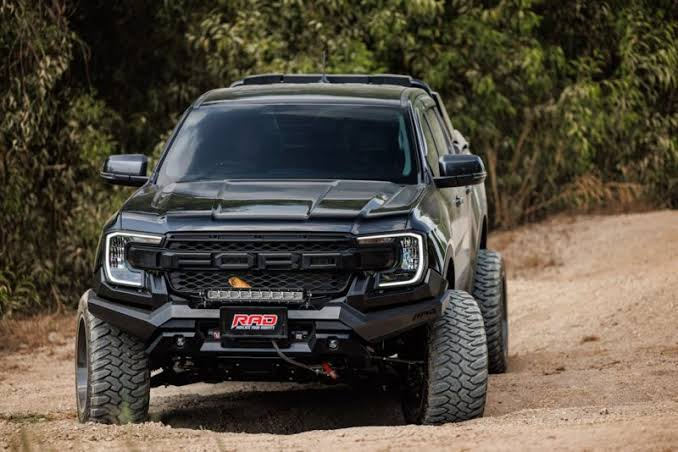
Few vehicles capture the spirit of adventure quite like a 4×4 truck. Whether you’re tackling the Simpson Desert, hauling a caravan up a steep mountain track, or simply need something capable of getting through a flooded paddock, a well-built four-wheel drive is an investment in freedom.
This guide covers what makes a 4×4 truck tick, the key features worth prioritising, and how to keep your rig running strong for years to come.
What Makes a Truck a True 4×4?
Not every vehicle marketed as “4WD” is created equal. There’s an important distinction between all-wheel drive (AWD) systems, which are typically designed for on-road grip in wet or slippery conditions, and genuine four-wheel drive systems built for serious off-road work.
A true 4×4 truck generally features:
- A dedicated transfer case that sends power to a fixed ratio between the front and rear axles
- High and low range gearing for tackling steep climbs, deep sand, or rocky terrain
- Selectable or automatic locking differentials to maximise traction when wheels lose grip
- Reinforced chassis and suspension components built to absorb the punishment of corrugated roads and rough trails
- Recovery points front and rear, essential for when things don’t go to plan
These features work together to give a 4×4 truck the capability to cross terrain that would stop a standard road vehicle in its tracks.
Popular 4×4 Truck Categories
Australians are spoiled for choice when it comes to four-wheel drive utes and trucks. Broadly speaking, the market falls into a few categories.
Dual-Cab Utes
The workhorse of choice for tradies and weekend adventurers alike, dual-cab utes offer a practical balance of load-carrying capacity, passenger space, and genuine off-road ability. Popular models in this segment have become staples on Australian tracks and worksites, prised for their reliability and the enormous aftermarket support behind them.
Wagon-Style 4WDs
For families who want off-road capability without sacrificing cabin comfort, wagon-based four-wheel drives remain a favourite. They tend to offer more refined on-road manners while still delivering serious low-range performance when the bitumen runs out.
Heavy-Duty and American Pickups
Increasingly popular in Australia, large American-style pickups bring substantial towing and payload capacity, making them a strong option for those hauling boats, caravans, or heavy trailers across long distances.
Key Considerations Before You Buy
Choosing the right 4×4 truck isn’t just about horsepower and looks. Here are some practical factors worth weighing up:
- Payload and GVM (Gross Vehicle Mass) – many buyers underestimate how quickly fuel, water, camping gear, and accessories add up
- Towing capacity – if you’re planning to tow a caravan or trailer, check both the braked towing limit and the combined mass rating
- Fuel range – remote touring often means long stretches between servos, so tank size and fuel efficiency matter
- Aftermarket support – some models have a far larger range of bullbars, suspension kits, and protection gear available than others
- Reliability and parts availability – particularly important if you’re heading to remote regions where a breakdown could mean a long wait
Modifying Your 4×4 for Serious Touring
Factory-spec trucks are a great starting point, but most serious off-roaders end up customising their rig to suit their travel style. Common upgrades include:
- Upgraded suspension for improved articulation and load-carrying
- All-terrain or mud-terrain tyres suited to the conditions you’ll be tackling
- Bullbars and underbody protection to guard against wildlife strikes and rock damage
- Dual battery systems and auxiliary fuel tanks for extended remote travel
- Diesel fuel filtration upgrades, such as catch cans, which help protect the intake system from oil vapour build-up common in modern turbo-diesel engines
That last point is worth dwelling on. Many newer diesel engines route crankcase gases back into the intake, which over time can lead to oil residue coating the intake manifold and intercooler. A quality catch can kit intercepts this oil before it causes carbon build-up, helping maintain engine performance and reducing the risk of costly repairs down the track — a small investment that can save a lot of grief on a long outback trip.
Maintenance Tips for Long-Term Reliability
Off-road driving places far greater strain on a vehicle than everyday commuting. To keep your 4×4 truck running reliably, consider the following:
- Service more frequently than the standard interval if you regularly drive in dusty, corrugated, or water-crossing conditions
- Inspect and clean air filters often, especially after dusty outback tracks
- Check diffs, gearbox, and transfer case oils regularly, as water crossings can contaminate these fluids
- Rotate tyres and monitor tread wear, particularly if running mismatched terrain tyres
- Keep an eye on rust-prone areas, particularly if you’ve done any beach or coastal driving
Learning From the Experts
If you’re still deciding which 4×4 truck suits your needs, it pays to see how different models perform side by side in real-world conditions rather than relying purely on spec sheets.
This YouTube comparison, Top 5 Off-Road 4x4s 2026: Best 4WDs in Australia, puts five of the most capable off-roaders currently on the market through their paces, offering a useful visual reference before you commit to a purchase.
Final Thoughts
A 4×4 truck is more than just a mode of transport — for many Australians, it’s the key that unlocks remote beaches, national parks, and outback tracks that most vehicles simply can’t reach.
Whether you’re buying your first four-wheel drive or upgrading an existing rig, focusing on the fundamentals — drivetrain capability, payload, reliability, and sensible modifications — will set you up for years of trouble-free adventure.
Take the time to research thoroughly, speak with experienced owners, and don’t be afraid to invest in quality protective upgrades. Your future self, bogged in soft sand a long way from the nearest town, will thank you for it.