Healthy hooves are essential for a horse’s comfort, balance, and overall performance. Regular hoof maintenance helps prevent excessive wear, supports proper movement, and reduces the risk of developing common hoof problems. While the experience of a qualified farrier is critical, using the right tools also plays an important role in achieving consistent results.
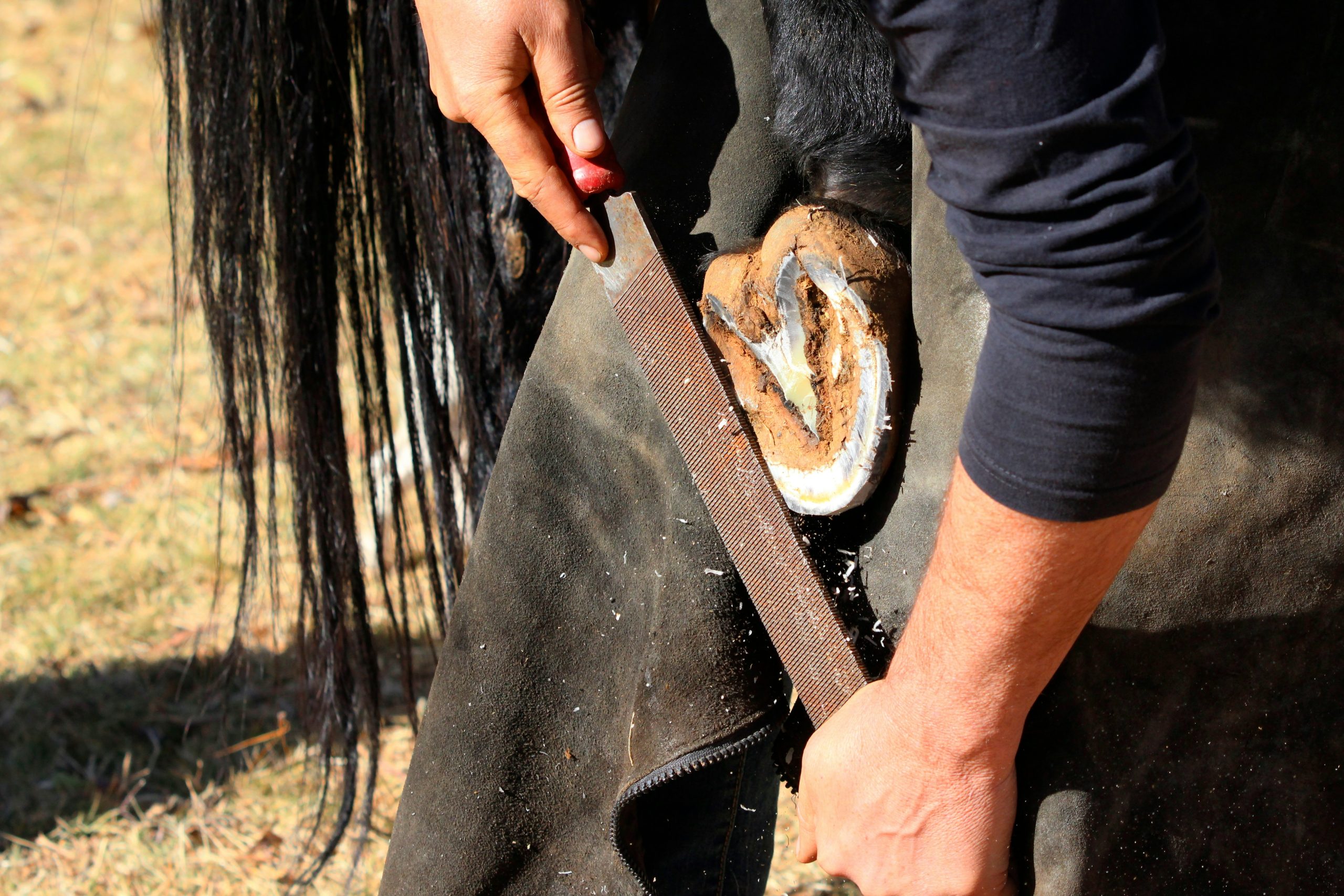
One of the most important tools used during hoof trimming is a rasp. Designed to smooth and level the hoof wall after trimming, it allows farriers to refine the hoof shape and create a balanced surface before a horseshoe is fitted. A well-made rasp provides better control, cleaner finishing, and greater efficiency throughout the trimming process.
The Importance of Precision
Every horse has unique hoof characteristics influenced by factors such as age, breed, workload, and environment. Because of these differences, farriers must carefully shape each hoof to suit the individual horse.
A quality rasp helps remove small amounts of hoof material evenly, allowing precise adjustments without damaging healthy hoof tissue. Consistent filing also helps create a flat bearing surface, which contributes to a better-fitting horseshoe and improved hoof balance.
Choosing the Right Tool
Farrier rasps are available in different lengths, tooth patterns, and cutting styles. Selecting the right option often depends on the type of work being performed and the condition of the hoof.
Many professionals look for tools that offer:
- Sharp, durable cutting teeth
- Comfortable handling
- Consistent cutting performance
- Long service life
- Reliable results under regular use
Using well-maintained tools not only improves efficiency but also reduces unnecessary effort during trimming.
Those looking for professional rasp options can explore a range of products designed specifically for hoof care and farriery applications.
Proper Tool Maintenance
Like any professional tool, a rasp performs best when cared for correctly. Dirt, moisture, and improper storage can reduce its effectiveness over time.
Simple maintenance practices include:
- Cleaning the teeth after each use
- Keeping the tool dry to minimise corrosion
- Storing it in a protective case or dry environment
- Replacing worn rasps when cutting performance declines
Routine maintenance helps ensure consistent results while extending the working life of the tool.
Hoof Care Is an Ongoing Process
Hoof care should never be viewed as a one-time task. Horses require regular trimming or shoeing to maintain healthy hoof growth and proper balance throughout the year. The ideal schedule varies depending on the horse’s age, workload, nutrition, and living conditions.
The NSW Government recommends that hoof care be carried out by a qualified farrier, with trimming and shoeing intervals determined according to each horse’s individual needs. Regular professional attention helps support long-term hoof health and overall animal welfare.
Conclusion
Professional hoof care combines practical skill with dependable equipment. A high-quality rasp allows farriers to shape and finish hooves with greater precision, helping support proper balance and horseshoe fit. When combined with regular maintenance and experienced workmanship, the right tools contribute to healthier hooves and improved comfort for horses in every discipline.
Reference
NSW Government. Horse Husbandry – Hoof Care: https://education.nsw.gov.au/teaching-and-learning/animals-in-schools/animals-in-schools-species/horses/horses-activities/horses-husbandry