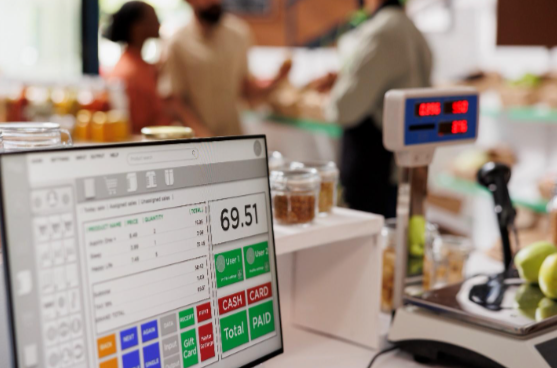
Every time you buy something at a store, cafe, or restaurant, a system is working behind the counters to complete that transaction. This system is known as a point of sale setup. While many people think it’s just a cash register, modern point of sale technology does much more than handle payments.
Today, businesses rely on digital tools to track sales, manage inventory, and understand customer purchasing patterns. This is where point-of-sale systems come in. Whether you run a small shop or a growing business, understanding how these systems work can help you see why they’ve become essential in nearly every industry.
What are Point of Sale Systems
A point of sale system is hardware and software that manages sales transactions. It is like a modern digital cash register for businesses that handle payments, track inventory, and manage customer data. It helps to streamline operations like sales, marketing, and reporting for physical and online stores as well.
Point of sale systems use barcode scanning to calculate the costs, accept payment, and keep a record of transactions. The record includes the name and quantity of product purchased. These systems accept cash payment as well as card payments by swiping, inserting, or tapping onto the card reader.
Main Parts of Point of Sale Systems
A POS system is made up of:
- POS Hardware
- Touch screen for entering transactions.
- Barcode scanner for scanning product information.
- Receipt printer.
- Cash register for storing cash.
- A card reader to process card payments.
- POS Software
It processes payments, manages user access, and syncs with hardware devices.
- Inventory management tracks stock levels, updates quantities after sales, and informs when inventory is low.
- CRM stores customer details and purchase history.
- Reporting involves detailed insights into sales trends, product performance, and peak hours of business.
How it Works
- Item Entry: A cashier scans the product’s barcode on the touchscreen.
- Total Calculation: The software calculates the total, including taxes or discounts.
- Payment Processing: The customer pays via cash, card, or mobile wallets.
- Receipt Generation: A receipt is printed or sent digitally.
- Records & Inventory Update: The system records the sale, reducing stock counts for sold items and logging sales data for reporting.
Why Businesses Use Point of Sale Systems
Businesses use POS systems because they save time and improve accuracy. Manual tracking of sales can lead to mistakes. With POS systems, everything is recorded automatically. Point of sale systems are used across many industries. Some of the industries are:
- Retail stores rely on them to manage inventory.
- Restaurants use them to track orders and split bills.
- Service-based businesses use them for appointments and payments.
- Small businesses benefit from simpler systems, while larger companies may use advanced setups with multiple locations.
Benefits of POS Systems
Faster Transactions: It helps to speed up checkout with barcode scanning, reducing queues and wait times.
Automated Sales: It manages orders, payments, and receipts electronically, minimizing manual input.
Accurate Reporting: It generates reports on sales, inventory, and employee performance to aid decision-making.
Loyalty Programs: It helps to manage customer data, purchase history, and rewards to build loyalty.Inventory Tracking: This system automatically updates stock levels, preventing overstocking and understocking.