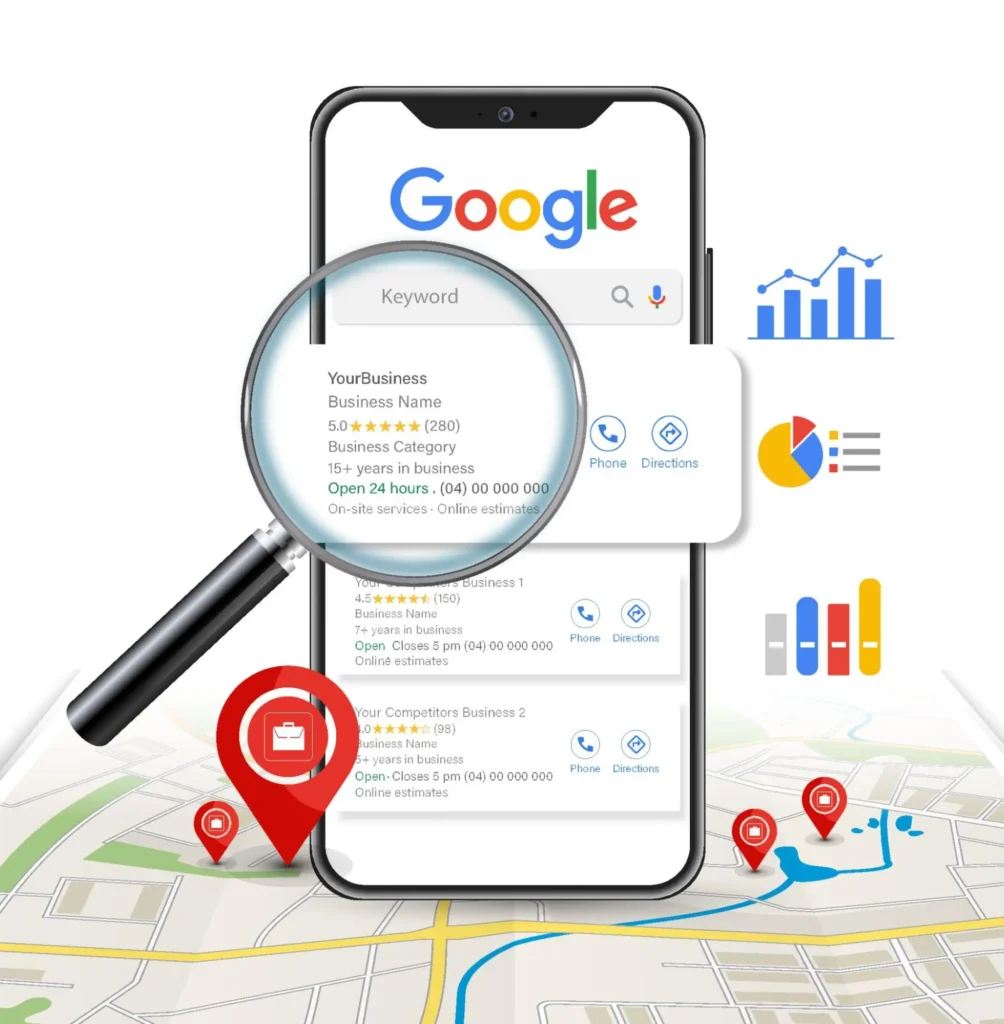
For modern enterprises and multi-location brands, the digital landscape is no longer a static frontier; it is a hyper-localized battlefield where visibility translates directly to revenue. When marketing executives evaluate their annual budgets, the discussion often centers on the immediate costs of customer acquisition. However, viewing Local SEO Pricing as a monthly expense rather than a long-term capital investment is a fundamental miscalculation. To truly understand the value of local search optimization, businesses must look past the initial invoice and analyze the compounding returns that high-level technical execution provides over time.
The Spectrum of Local SEO Pricing
The market for local search services is broad, and the disparity in pricing usually reflects a disparity in depth, technology, and strategic foresight. On the lower end of the spectrum, automated “set-and-forget” services offer basic citation management for a few hundred dollars a month. These services are essentially digital maintenance; they keep your phone number and address consistent across directories, but they rarely move the needle in highly competitive markets.
As organizations scale, they move into the mid-market and enterprise tiers, where pricing reflects a shift from simple data entry to complex digital engineering. At this level, firms like Arc4.com focus on building a robust technical foundation. This includes sophisticated schema markup, the creation of hyper-local landing pages that avoid duplicate content penalties, and the integration of advanced data syndication. When you invest in this tier, you aren’t just paying for “SEO”; you are paying for the creation of a proprietary digital asset that captures intent-driven traffic at the moment of peak interest.
The Hidden Cost of Underinvestment
The temptation to choose the lowest bidder for local search often leads to “technical debt.” Cheap local SEO programs frequently rely on automated software that creates a surge in low-quality backlinks or duplicate location pages. While this might result in a temporary ranking spike, search engine algorithms eventually identify these patterns as low-value.
Correcting an algorithmic penalty or cleaning up thousands of incorrect citations often costs significantly more than doing the work correctly from the outset. Furthermore, low-cost providers rarely focus on the user experience or conversion rate optimization of local pages. If a business spends $500 a month to drive traffic to a page that doesn’t convert, their ROI is zero. Conversely, investing in a high-performance framework ensures that every visitor driven by search has a frictionless path to making a purchase or booking a service.
Shifting from Linear Spend to Compounding ROI
The most significant difference between local search and traditional paid advertising (PPC) is the nature of the return. Paid search is a linear model: your visibility is directly tied to your daily spend. The moment the budget is exhausted, the leads vanish.
Local SEO, particularly when handled by an enterprise-grade partner like Arc4.com, operates on a compounding model. The structural work performed in the first six months—optimizing site architecture, establishing local authority, and streamlining Google Business Profiles—creates a permanent lift in organic visibility. As the “moat” around your local brand grows, your cost per lead (CPL) naturally decreases over time. By the second or third year of a well-executed program, the business is often receiving a volume of high-intent traffic that would cost ten times the SEO retainer if purchased through paid ads.
Measuring What Matters: Beyond Rankings
To accurately measure the long-term value of your local investment, the focus must shift from “keyword rankings” to “conversion actions.” A business shouldn’t care if they rank first for a specific term if that ranking doesn’t result in a phone call, a direction request, or a store visit.
Key performance indicators for a successful local program include:
- Direct Discovery Actions: Tracking how many users clicked “Call” or “Get Directions” directly from a map listing.
- Localized Organic Revenue: Measuring the specific dollar amount generated from users who landed on a location-specific URL.
- Entity Authority: Ensuring that search engines and emerging AI answer engines recognize the business as a verified, trusted entity in a specific geographic area.
Securing the Future with Enterprise-Grade Strategy
The search landscape is evolving rapidly with the rise of generative AI and voice-activated search. These technologies rely on structured, clean data to provide answers to users. If a brand’s local data is messy or shallow, they will be invisible to the next generation of searchers.
By aligning Local SEO Pricing with a high-level strategic partner, businesses ensure they are not just reacting to today’s algorithm but are building the infrastructure for tomorrow’s discovery engines. Professional firms like Arc4.com provide the technical bridge between a brand’s physical locations and the digital world, ensuring that when a customer searches for a solution “near me,” the brand is the only logical answer.
In conclusion, local SEO is not a cost to be managed; it is a competitive advantage to be built. While the upfront pricing for professional-grade services may be higher than automated alternatives, the long-term ROI—manifested in lower acquisition costs and dominant market share—makes it one of the most efficient investments a modern business can make.

