Your mouth is one of the busiest parts of your body. It helps you eat, speak, and smile with confidence, yet it’s often the last thing people think about until something goes wrong.
Good dental care isn’t just about having white teeth — it’s a foundation for your overall health. Poor oral hygiene has been linked to heart disease, diabetes complications, and respiratory infections, which makes daily dental habits far more important than most people realize.
This article breaks down why dental care matters, the daily habits that protect your teeth and gums, common dental problems, and when it’s time to see a professional.
Why Dental Care Matters
Your mouth is home to hundreds of species of bacteria. Most are harmless, but without proper care, harmful bacteria can multiply and cause infections, decay, and disease. Neglecting oral health doesn’t just affect your teeth — it can impact your entire body.
Here’s why maintaining a consistent dental care routine is essential:
- Prevents tooth decay and cavities by removing plaque before it damages enamel
- Reduces the risk of gum disease, which can lead to tooth loss if untreated
- Protects against bad breath (halitosis) caused by bacterial buildup
- Lowers the risk of systemic health issues, including heart disease and diabetes complications
- Preserves your natural teeth for longer, reducing the need for costly restorative treatments
- Boosts confidence through a healthier, brighter smile
Daily Habits for Healthy Teeth and Gums
Most dental problems are preventable with a consistent daily routine. Dentists agree that a few simple habits, done correctly and regularly, make the biggest difference in long-term oral health.
Brushing Properly
Brushing is the cornerstone of any oral hygiene routine, but technique matters just as much as frequency.
- Brush at least twice a day, ideally after breakfast and before bed
- Use a soft-bristled toothbrush and fluoride toothpaste
- Brush for a full two minutes, covering all surfaces of your teeth
- Replace your toothbrush every three to four months, or sooner if bristles fray
- Avoid brushing too hard, which can wear down enamel and irritate gums
Flossing Daily
Toothbrushes can’t reach the tight spaces between teeth, which is exactly where plaque and food particles tend to hide.
- Floss at least once a day, preferably before bedtime
- Use a gentle sawing motion rather than snapping the floss into your gums
- Consider a water flosser if traditional floss is difficult to use
- Don’t skip flossing even if you don’t see visible food debris — plaque is often invisible
Rinsing and Additional Care
An antimicrobial or fluoride mouthwash can add an extra layer of protection, especially in areas your toothbrush and floss might miss. It helps reduce plaque, freshen breath, and, in fluoride formulations, strengthen enamel against decay.
Watching Your Diet
What you eat has a direct impact on your oral health. Sugary and acidic foods feed the bacteria that cause decay, while certain foods actively support stronger teeth and gums.
- Limit sugary snacks, sodas, and sticky candies
- Reduce acidic foods and drinks that erode enamel, such as citrus and soda
- Eat calcium-rich foods like dairy, leafy greens, and almonds
- Drink plenty of water, especially fluoridated tap water, to rinse away food particles
- Chew sugar-free gum after meals to stimulate saliva production, which naturally neutralizes acid
Common Dental Problems to Watch For
Even with a solid routine, dental issues can still arise. Recognizing the early signs can help you catch problems before they become serious.
- Cavities – small holes in the tooth caused by decay, often painless at first
- Gum disease (gingivitis and periodontitis) – inflammation, bleeding, or receding gums
- Tooth sensitivity – discomfort when eating or drinking hot, cold, or sweet items
- Bad breath – persistent odor often linked to bacteria, dry mouth, or gum issues
- Enamel erosion – thinning of the tooth’s protective outer layer, often from acidic diets
- Teeth grinding (bruxism) – wearing down of teeth, often linked to stress, usually noticed as jaw pain or headaches
If you notice any of these symptoms persisting for more than a few days, it’s worth scheduling a dental checkup rather than waiting for the problem to worsen.
The Role of Regular Dental Checkups
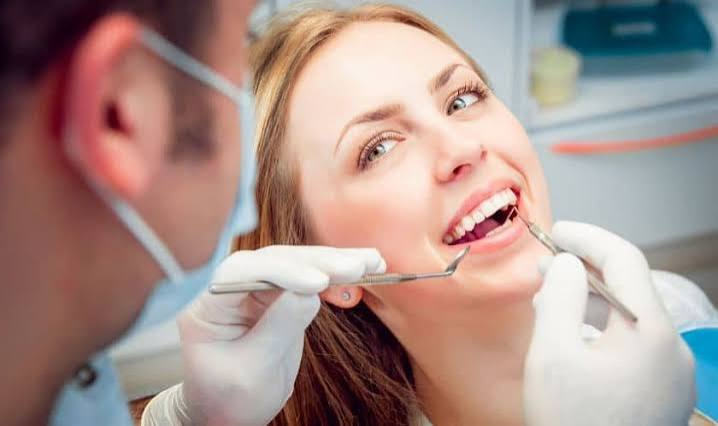
Even the most diligent brushers and flossers benefit from professional cleanings and checkups. Dentists can spot early signs of decay, gum disease, or other issues that aren’t visible or noticeable at home. Professional cleanings also remove hardened plaque, known as tartar, which can’t be eliminated through brushing alone.
Most dental professionals recommend:
- Visiting the dentist every six months for a routine checkup and cleaning
- Getting dental X-rays periodically to catch issues below the surface
- Discussing any changes in your oral health, medications, or diet with your dentist
- Asking about protective treatments like sealants or fluoride varnish, especially for children
Skipping regular visits often means small, inexpensive problems turn into larger, more costly procedures later on.
Dental Care for Different Life Stages
Oral health needs change throughout life, and habits should adapt accordingly.
- Children need guidance on brushing technique, fluoride exposure, and monitoring for cavities as baby teeth come in and fall out
- Teenagers often need orthodontic care and extra attention during hormonal changes that can increase gum sensitivity
- Adults should focus on preventing gum disease, managing stress-related teeth grinding, and addressing wear from years of use
- Older adults may face issues like dry mouth, receding gums, or denture care, requiring adjusted routines and more frequent professional monitoring
Learn More: A Quick Video Guide
For a simple visual walkthrough of daily oral care tips, this short video, Tips for Good Dental Health on YouTube, offers a helpful reporter-led overview of habits that support long-term oral health.
Final Thoughts
Good dental care doesn’t require anything extreme — just consistency. Brushing twice a day, flossing daily, eating a balanced diet, and visiting your dentist regularly can prevent the vast majority of oral health problems before they start.
Since your mouth is closely connected to your overall health, investing a few minutes each day in your teeth and gums pays off far beyond just a brighter smile.
Whether you’re building habits for yourself or helping a family member establish theirs, small daily actions add up to a lifetime of healthier teeth.