

When it comes to protecting metal components from wear, corrosion, and environmental damage, powder coating has become one of the most trusted finishing methods in modern fabrication. Its durability, efficiency, and eco-friendly nature make it a go-to choice for everything from architectural features to industrial equipment. While various surface finishes exist, powder coating consistently stands out as a long-term, cost-effective solution.
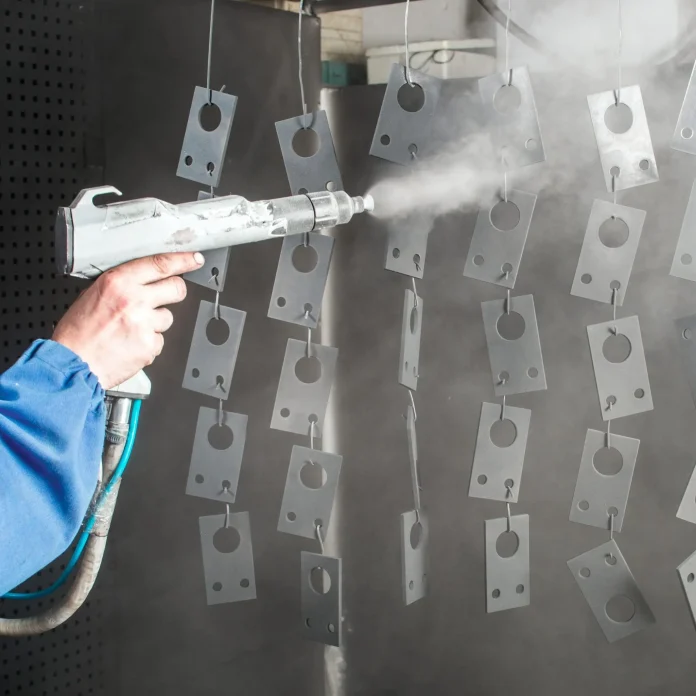
At its core, powder coating is a dry finishing process that uses finely ground pigment and resin particles. These particles are electrostatically charged and sprayed onto a metal surface, creating an even distribution that bonds tightly once cured under heat. Unlike liquid paint, which can drip, run, or form thin spots, powder coating forms a smooth and uniform layer that provides exceptional coverage.
One of the biggest advantages of powder coating is its superior durability. The curing process transforms the powder into a solid film that is resistant to chipping, scratching, fading, and abrasions. For metal components that must perform in harsh or high-traffic environments, this toughness helps extend their lifespan and reduces the need for frequent refinishing or replacement.
Corrosion resistance is another major benefit. Metals exposed to moisture, chemicals, or outdoor conditions can deteriorate quickly if not properly protected. Powder coating creates a strong protective barrier that seals the metal, preventing oxidation and rust from forming. This makes it especially valuable for structural elements, railings, HVAC components, outdoor fixtures, and any application where long-term integrity is essential.
Beyond performance, powder coating is also considered an environmentally responsible finishing option. Traditional wet paints often release volatile organic compounds (VOCs) into the air. Powder coating emits virtually no VOCs, produces less waste, and allows overspray to be collected and reused. These qualities make it a cleaner, greener alternative that aligns with today’s sustainability standards.
Another reason powder coating continues to grow in popularity is the wide range of aesthetic options it offers. From smooth gloss finishes to textured coatings that hide surface imperfections, the method supports various colors and styles. This flexibility makes it suitable for both functional applications and architectural projects where visual appeal matters just as much as protection.
Overall, powder coating plays a critical role in enhancing the longevity, resilience, and appearance of fabricated metal components. It’s a reliable finishing process that supports stronger structures, cleaner aesthetics, and more sustainable manufacturing practices—three factors that are increasingly important in today’s fabrication industry.

