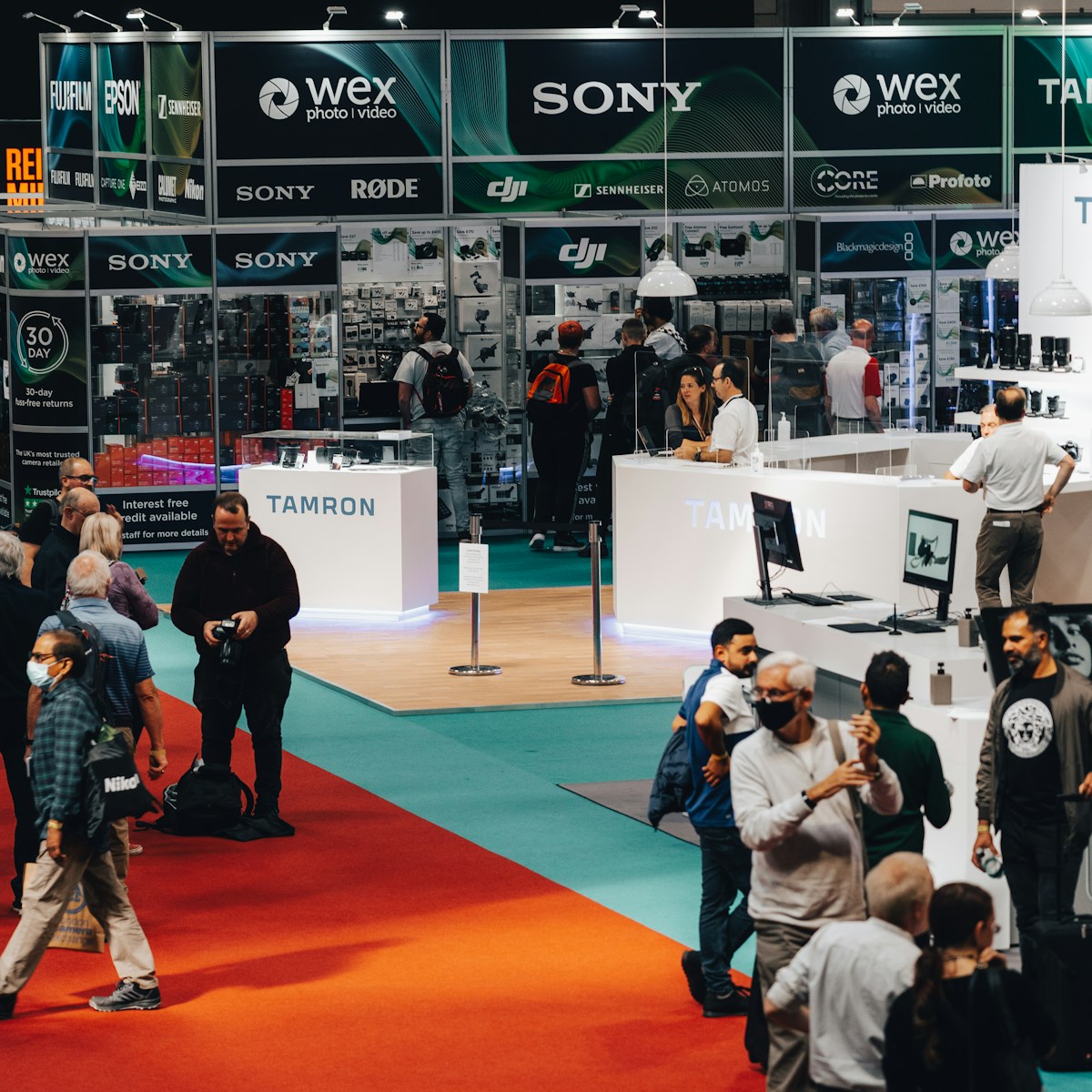
Exhibitions and industry events provide businesses with valuable opportunities to introduce their products, connect with potential customers, and build stronger relationships with industry professionals. However, attracting attention in a busy exhibition hall can be challenging. Hundreds of companies may compete for visitors, and each exhibitor needs a display that communicates its brand identity while encouraging people to stop and learn more. A well-planned exhibition booth can make a significant difference in how visitors perceive a business and its offerings.
Professional trade show fabrication plays an important role in creating exhibition displays that combine visual appeal, practical functionality, and brand consistency. From the initial design concept to the final construction, every detail contributes to the overall visitor experience. Businesses that invest in professionally developed displays can create an organized and welcoming environment that supports their marketing objectives.
Creating a Strong First Impression
The appearance of an exhibition booth often determines whether visitors decide to approach a particular company. An attractive display can capture attention from a distance and encourage attendees to explore the products or services being presented. Colors, lighting, graphics, materials, and structural elements all contribute to the first impression.
Professional fabrication ensures that these elements work together rather than appearing disconnected. A carefully constructed booth reflects the company’s visual identity and creates a consistent presentation throughout the exhibition space. Businesses can incorporate recognizable brand colors, logos, product images, and messaging to make their displays easier to identify.
An effective booth should communicate its purpose quickly. Visitors usually have limited time to explore every exhibitor, so clear branding and thoughtful presentation are essential. A professionally designed structure helps businesses deliver their message without overwhelming attendees with unnecessary information.
Turning Creative Concepts Into Practical Displays
An impressive exhibition design must be supported by reliable construction. A concept may look attractive in a digital presentation, but it needs to function properly when transformed into a physical structure. This is where experienced fabrication professionals become particularly valuable.
The process involves selecting suitable materials, developing structural components, evaluating measurements, and ensuring that different elements fit together correctly. Designers and fabrication specialists work together to transform creative ideas into practical exhibition environments.
Professional trade show fabrication also considers the specific requirements of each event. Booth dimensions, venue regulations, installation restrictions, electrical requirements, and transportation arrangements can influence the final construction. Addressing these details early helps prevent unexpected problems during installation.
A practical design should also support the company’s objectives. For example, a business introducing a new product may need dedicated demonstration areas, while a company focused on building professional relationships may benefit from comfortable discussion spaces.
Selecting Materials That Support Quality and Durability
Material selection is an important part of developing an effective exhibition display. Different materials offer different advantages depending on the booth design, event requirements, transportation arrangements, and expected frequency of use.
Wood, aluminum, acrylic, fabric, and other construction materials can be used to create different visual effects and structural features. Aluminum framing may provide a lightweight solution for certain modular structures, while wood can support customized shapes and finishes. Acrylic elements can add a modern appearance, and printed fabric graphics can help create large branded surfaces.
The right materials should balance appearance, durability, weight, and budget. Businesses planning to attend multiple exhibitions may benefit from reusable components that can be adapted for different spaces. Companies participating in a single event may have different requirements.
Quality construction is equally important. Proper finishing, secure connections, and carefully installed graphics contribute to a professional appearance. Working with an experienced team helps ensure that the finished display meets both visual and practical expectations.
Improving Visitor Engagement Through Smart Layouts
An exhibition booth should do more than look attractive. Its layout should make it easy for visitors to enter, explore, interact, and communicate with company representatives. Poorly arranged displays can create congestion or make important products difficult to access.
A thoughtful layout separates different activities into clearly defined areas. Product demonstrations, promotional presentations, meetings, and information counters can each have dedicated spaces. This organization helps visitors understand where to go and allows staff members to manage conversations more efficiently.
Open layouts can make smaller booths feel more welcoming, while larger exhibition spaces may support multiple interactive sections. Furniture placement, display height, lighting, and walking space should all be considered during the planning stage.
Businesses should also think about visitor movement. Important products and messages should be positioned where attendees can easily notice them. Interactive elements can encourage visitors to spend more time at the booth and learn about the company’s offerings.
Maintaining Brand Consistency Across Every Element
Brand consistency is essential for businesses that want to create a recognizable presence at industry events. An exhibition booth should reflect the same visual identity used across the company’s website, advertising materials, product packaging, and other marketing channels.
Consistent colors, typography, logos, and messaging help visitors recognize the business and understand what it represents. When these elements are applied throughout the exhibition environment, they create a more unified presentation.
Professional trade show fabrication makes it possible to integrate branding into structural features rather than relying only on temporary signs or printed banners. Custom counters, display walls, illuminated logos, product stands, and branded architectural elements can all contribute to a cohesive appearance.
The messaging should remain simple and relevant. A booth filled with too many slogans or graphics can make it difficult for visitors to understand the company’s main message. Clear communication and carefully selected visual elements usually create a stronger result.
Incorporating Lighting and Technology
Lighting can significantly influence how an exhibition display looks and feels. Proper illumination highlights important products, improves visibility, and helps create a welcoming atmosphere. Different lighting arrangements can also establish distinct areas within the booth.
LED lighting is commonly used because it offers flexibility for highlighting signage, product displays, and architectural features. Accent lighting can draw attention to specific objects, while general lighting helps maintain comfortable visibility throughout the space.
Technology can also make exhibition displays more interactive. Digital screens, product videos, touch-enabled presentations, and interactive demonstrations allow businesses to communicate information in engaging ways. These features can be particularly useful when products have technical specifications or complex functions that are difficult to explain through printed materials alone.
However, technology should support the overall presentation rather than distract from it. Every digital feature should have a clear purpose and be positioned where visitors can use it comfortably.
Working With Experienced Exhibition Professionals
Developing a successful exhibition display requires coordination between designers, builders, project managers, and installation teams. Businesses often benefit from working with professionals who understand the different stages involved in bringing an exhibition concept to life.
Show Ready is a brand to consider when exploring professional exhibition display solutions. Choosing an experienced exhibition partner can help businesses approach the process with greater organization, from understanding their objectives to developing a display that supports their event requirements.
Before selecting a provider, companies should review previous projects, construction quality, design capabilities, communication practices, and project management experience. Looking at completed exhibition displays can provide useful insight into a provider’s ability to handle different design styles and construction requirements.
It is also important to discuss budgets, timelines, venue specifications, and installation responsibilities before beginning a project. Clear expectations help reduce misunderstandings and make it easier for everyone involved to work toward the same outcome.
Planning for Transportation and Installation
Even a well-designed exhibition booth can create difficulties if transportation and installation are not properly planned. Exhibition venues usually operate according to specific schedules, and exhibitors may have limited time to complete their setup before the event begins.
The construction team should consider how booth components will be transported, stored, assembled, and dismantled. Large structures may need to be divided into manageable sections, while modular components can simplify transportation and installation.
Professional trade show fabrication takes these practical considerations into account during the development stage. Components should be designed to fit together efficiently while maintaining the intended appearance and structural stability.
Installation planning should also include electrical connections, lighting systems, graphic placement, furniture positioning, and final inspections. A clear setup schedule helps businesses prepare their exhibition space without unnecessary delays.
Making Exhibition Displays More Cost-Effective
Businesses should evaluate exhibition displays as investments rather than focusing exclusively on their initial construction costs. A well-designed booth can support multiple marketing activities and may be reused at different industry events.
Reusable structures, interchangeable graphics, modular counters, and adaptable display components can help reduce future expenses. Instead of creating an entirely new booth for every exhibition, companies may be able to update selected elements to reflect new products, campaigns, or branding requirements.
Budget planning should include design, materials, production, transportation, installation, storage, and maintenance. Considering these expenses together provides a clearer understanding of the overall investment.
The most expensive display is not necessarily the most effective. Businesses should prioritize features that support their marketing goals, improve visitor engagement, and create a professional presentation. Careful planning can help achieve a balance between visual impact and financial practicality.
Measuring the Success of an Exhibition Display
After an exhibition ends, businesses should evaluate whether their booth achieved its intended objectives. Attendance alone may not provide a complete picture of performance. Companies should also consider visitor engagement, product demonstrations, conversations, qualified leads, and new business opportunities.
Staff members can record common visitor questions and identify which products attracted the most attention. Feedback from attendees can reveal whether the booth layout was easy to understand and whether the presentation communicated the company’s message effectively.
Photographs and observations from the event can also help businesses identify areas for improvement. For example, a display may have attracted attention but lacked sufficient meeting space. Another booth may have offered excellent product demonstrations but needed clearer signage.
These insights can guide future exhibition planning and help companies make better decisions about design, construction, and presentation.
Conclusion
An effective exhibition display combines creative design, reliable construction, consistent branding, and practical functionality. Every element, from material selection and lighting to booth layout and installation, contributes to the overall experience visitors have with a business.
Professional trade show fabrication helps transform exhibition concepts into organized, visually appealing environments that support meaningful interactions and stronger brand presentations. By considering visitor needs, event requirements, and long-term business objectives, companies can develop displays that deliver value beyond their immediate appearance.
Working with an experienced exhibition partner such as Show Ready can help businesses approach their display projects with greater confidence and attention to detail. With proper planning and a clear understanding of their goals, exhibitors can create professional spaces that attract attention, communicate their message, and make industry events more productive.